5 Must-Try Chaat Delights in Indian Cuisine

Chaat is proof that a snack can behave like a full conversation. It can be crisp, soft, hot, cool, sweet, sour, salty and fiery in the same spoonful. That is why it holds such a special place in Indian cuisine, from street carts and railway platforms to hotel menus, family kitchens and modern tasting menus.
The word “chaat” is often linked to the Hindi verb chaatna, meaning “to lick”, which says plenty about the experience. Good chaat should make people chase the last streak of chutney around the plate. It is casual food, but not careless food. The balance takes skill.
Many elements can be prepared ahead. For chefs and hospitality teams, it offers theatre, texture and regional character without needing heavy portions. For travellers, it is one of the most direct ways to taste a city’s appetite.
Here are five chaat delights that show why this category is so loved, plus practical notes for enjoying or serving each one well.
What makes chaat so irresistible
Chaat is not one dish. It is a style of eating. The best versions share a few key traits:
Crunch
Fried papdi, puffed rice, sev, puri shells or potato patties give chaat its lively bite.
Tang
Tamarind chutney, lemon juice, amchur or spiced water brings the sharp edge that wakes everything up.
Heat
Green chilli, black pepper, red chilli powder or spiced chutney adds warmth without always needing to dominate.
Coolness
Yoghurt, chopped onion, fresh coriander and sometimes pomegranate balance the spices.
A final dusting
Chaat masala, roasted cumin powder and black salt turn a pile of ingredients into something unmistakably chaat.
Great chaat is about timing. The moment crisp ingredients meet chutney and yoghurt, the clock starts ticking.
That is why chaat often tastes best when assembled to order. A few minutes can make the difference between crisp papdi and soggy papdi, between bright chutney and muddled flavour.
The five chaat delights to try
Aloo tikki chaat is rich, crisp and deeply satisfying
Aloo tikki chaat starts with shallow-fried potato patties. The patties are usually spiced with cumin, coriander, chilli, ginger and sometimes peas or lentils. Once crisp and golden, they are topped with yoghurt, tamarind chutney, green chutney, onions, sev, coriander and chaat masala.
The appeal is immediate. The outside of the tikki crackles, while the inside stays soft and warm. Cold yoghurt lands on the hot potato. Sweet tamarind meets sharp mint and coriander chutney. Every bite feels hearty, but the toppings keep it lively.
Use floury potatoes if possible, mash them while warm, then let the mash cool before shaping. If the mixture feels too soft, add a little cornflour, rice flour or breadcrumbs. Fry on medium heat so the patties crisp without burning.
For a professional kitchen, aloo tikki chaat is a practical menu choice because the patties can be shaped ahead. Cook them close to service and hold the toppings separately. A small cast-iron pan or warm plate works well for a hotel bar snack, as it keeps the tikki warm while guests break into it.
Best with a drink that cuts through richness, such as masala chai, nimbu pani or a crisp lager.
Pani puri is eaten in one bold bite
Pani puri may be the most playful chaat of all. Crisp hollow puris are pierced and filled with potato, chickpeas or moong, then dunked or poured with spiced water. That water might be minty, sour, chilli-hot, sweet or sharply salted with black salt.
Names change across India. In parts of North India it is often called golgappa. In Bengal and nearby regions, puchka is the familiar name, with its own style of filling and spicing. Maharashtra has its own beloved pani puri culture too.
The rule is simple. Eat it whole. If you nibble, it collapses. When done right, the puri breaks open in the mouth and releases a rush of spiced water. It is messy in the best way.
For home serving, arrange it as an interactive platter:
Crisp puris in a bowl
Mashed potato or chickpea filling
Spiced mint-coriander water
Sweet tamarind water
Chopped onion and coriander
Extra chaat masala
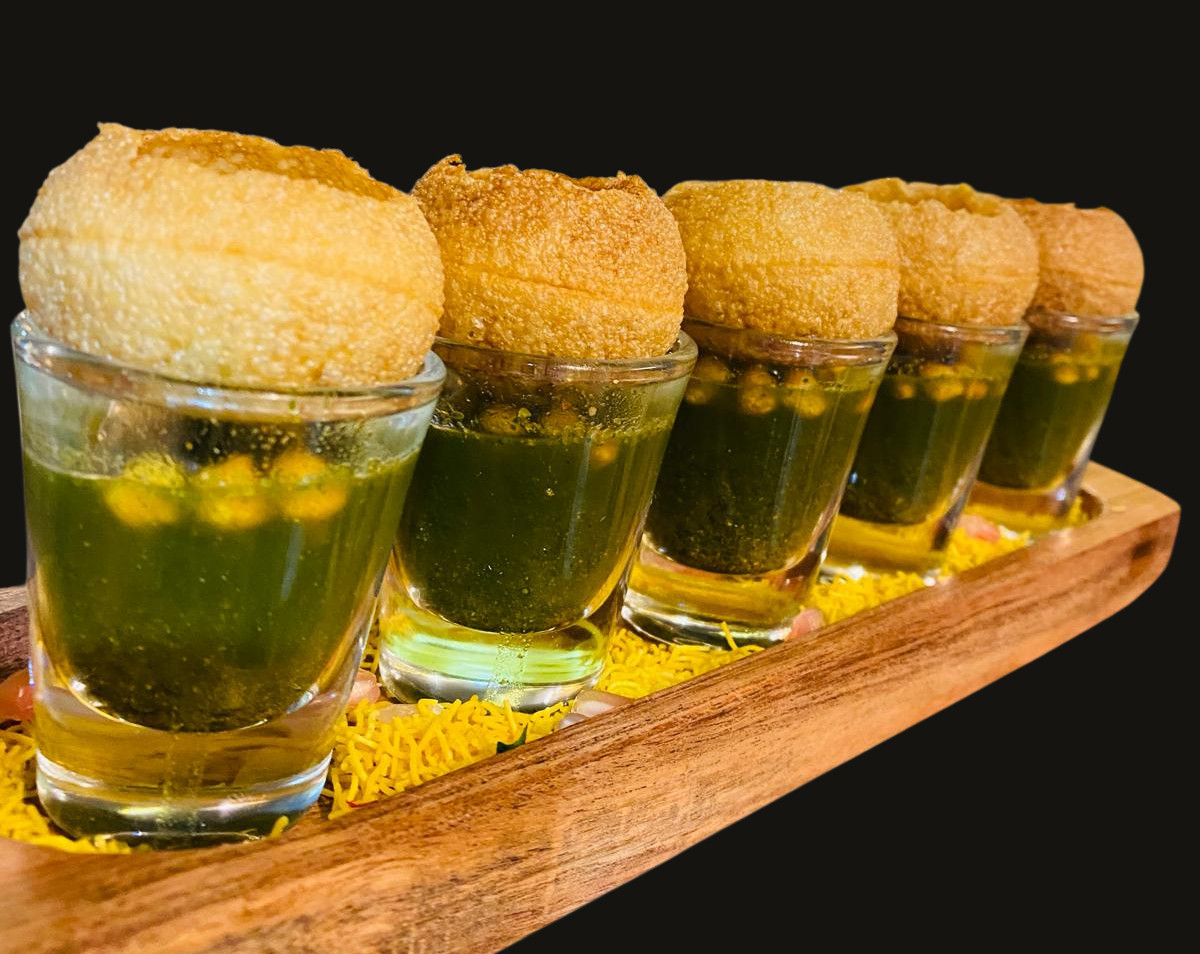
The biggest challenge is keeping the puris crisp. Store them in an airtight container and fill them only at the last second. If one cracks before serving, do not worry. It can become a cook’s snack with a spoonful of filling and chutney.
For hospitality settings, pani puri works beautifully as a welcome bite. It needs careful pacing, as filled puris cannot wait long. Serve one or two at a time rather than loading a platter too early.
Bhel puri is light, crunchy and perfect for sharing
Bhel puri is closely linked with Mumbai’s beach and street food culture, though versions appear in many places. It combines puffed rice with sev, chopped onion, tomato, coriander, tangy chutneys, spices and often crushed puri or papdi.
It looks simple, yet balance matters. Too much chutney makes the puffed rice collapse. Too little and it tastes dry. The best bhel puri has quick, high notes: lemon, chilli, coriander, tamarind and the savoury crunch of sev.
This is one of the easiest chaat dishes to make at home because it needs little cooking. It is also useful when feeding a group, as the dry mix can be prepared ahead.
Keep three things in mind:
Mix late
Combine puffed rice and chutneys just before serving.
Use fresh puffed rice
Stale puffed rice loses the whole point of the dish.
Taste before plating
Bhel puri changes quickly once mixed, so adjust lemon, salt and chutney at the end.
Chefs can use bhel puri as a texture element in small plates. A spoonful beside grilled vegetables or as a crisp topping for a potato dish can bring the feeling of chaat without turning the plate into a full street snack.
For travellers, bhel puri is a great entry point. It tends to be less intense than pani puri, while still showing the sweet, sour, salty and spicy balance that defines chaat.
Papdi chaat layers crunch with yoghurt and chutney
Papdi chaat is built on small crisp wafers made from flour, often topped with boiled potato, chickpeas, yoghurt, chutneys, sev, spices and fresh herbs. Some versions add pomegranate seeds for sweetness and colour.
This dish is a lesson in contrast. The papdi gives a biscuit-like snap. The yoghurt softens the heat. Tamarind chutney adds depth and sweetness. Green chutney brings freshness. Sev adds a finer crunch on top.
Papdi chaat is one of the most elegant options for restaurant service because it can be plated neatly without losing its street-food spirit. It also scales well. Serve it as a generous sharing plate, small individual portions or canapé-style bites.
At home, choose thick yoghurt and whisk it until smooth. Thin yoghurt runs across the plate and softens the papdi too quickly. A pinch of sugar in the yoghurt is common in some versions, especially when balancing hot chutney or strong black salt.
A practical plating order helps:
Place papdi on the plate.
Add potato and chickpeas.
Spoon over yoghurt.
Add tamarind and green chutney.
Finish with sev, spices, coriander and pomegranate.
Serve straight away. Papdi chaat waits for no one.

How to enjoy chaat like a cook and serve it like a pro
Chaat rewards organisation. Most of the work is in preparing the parts: chutneys, yoghurt, fried elements, boiled potatoes, chickpeas, herbs and spices. Once those are ready, assembly is quick.
For home kitchens, the best plan is to pick one chaat and make it properly rather than trying to make five at once. Aloo tikki chaat and papdi chaat are good starting points because they feel generous and allow a little more control. Pani puri is thrilling, but it demands fast assembly and crisp puris.
For chefs and hospitality teams, chaat can bring regional personality to menus without feeling heavy. The format suits bars, brunches, tasting menus, banquets and room service snacks. It also adapts well to vegetarian menus, as many classic chaats already rely on potatoes, pulses, yoghurt and herbs.
A few service notes make a clear difference:
Chaat | Best texture | Service tip |
Aloo tikki chaat | Hot, crisp patty with cool toppings | Fry the tikki close to service |
Pani puri | Brittle shell with chilled spiced water | Fill only when ready to eat |
Bhel puri | Dry crunch with light chutney coating | Toss at the very last moment |
Papdi chaat | Crisp base with creamy yoghurt | Plate quickly and serve straight away |
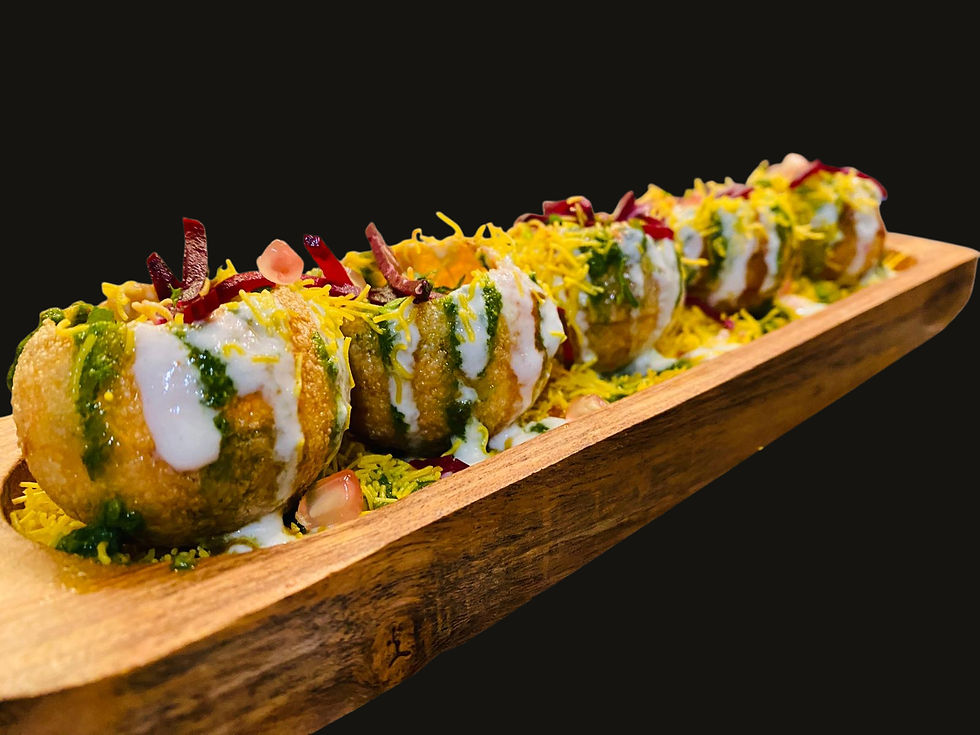
Dahi puri | Crisp texture with cool yoghurt | Add pomegranate and garnish near service |
Chutneys deserve special attention. Tamarind chutney should be sweet, sour and dark, but not cloying. Green chutney should taste fresh rather than bitter. If it dulls in colour or flavour, add fresh coriander, mint and lemon juice.
Chaat masala is another non-negotiable. Its mix of black salt, dried mango powder and spices gives chaat its recognisable edge. Use it with care. Too little and the dish feels flat. Too much and it can overpower the chutneys.
A final bite
Chaat is easy to love because it refuses to be one-note. A spoonful can be crisp, creamy, hot, cold, sweet and sour before you have time to name each sensation. That energy is what makes it one of the great pleasures of Indian cuisine.
Start with papdi chaat if you want balance, aloo tikki chaat if you want comfort, bhel puri if you want light crunch, pani puri if you want drama, and dahi poori if you want something cooling. Whichever one you choose, assemble it fresh, season it boldly and serve it before the crunch fades.
Comments